
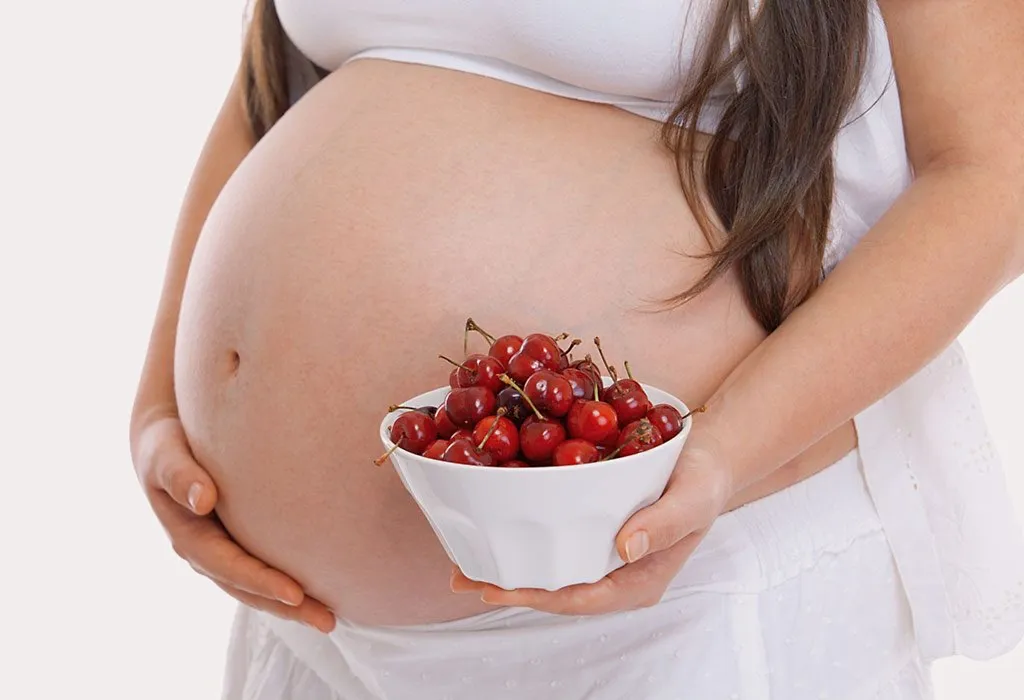
Are Cherries Safe to Eat During Pregnancy?
Cherries are generally considered a safe and healthy fruit to eat during pregnancy when consumed in moderation as part of a balanced diet. Like most fresh fruits, cherries offer valuable vitamins, minerals, and antioxidants that can support a healthy pregnancy, and there is no established medical guidance advising pregnant women to avoid them. As with any food during pregnancy, the key considerations are proper washing, portion size, and overall dietary balance rather than the fruit itself posing any specific risk.
That said, every pregnancy is different, and anyone with specific health conditions, allergies, or concerns should always check with their OB-GYN or midwife before making significant changes to their diet.
Nutritional Benefits of Cherries During Pregnancy
Cherries are rich in vitamin C, which supports immune function and helps the body absorb iron more efficiently, an especially important consideration during pregnancy when iron needs increase. They also contain potassium, which helps regulate fluid balance and blood pressure, along with fiber, which can help ease constipation, a common complaint during pregnancy. Cherries are additionally a source of antioxidants called anthocyanins, which have been studied for their anti-inflammatory properties and may help support overall cardiovascular health during pregnancy.
Cherries and Sleep During Pregnancy
Cherries, particularly tart cherries, contain small amounts of melatonin, the hormone that helps regulate sleep cycles. Because sleep disruption is extremely common during pregnancy, especially in the second and third trimesters, some expecting mothers find that including cherries or tart cherry juice in their diet may offer modest support for better sleep, though this should not be relied upon as a substitute for other healthy sleep habits or a conversation with a healthcare provider about persistent sleep issues.
How Many Cherries Are Safe to Eat While Pregnant?
There is no strict medical limit on cherry consumption during pregnancy, but moderation is generally recommended, as with any single food. A reasonable serving is around one cup of fresh cherries per day, which provides nutritional benefits without contributing excessive natural sugar to the diet. Eating very large quantities of any high-sugar fruit, including cherries, could contribute to blood sugar spikes, which is a particular consideration for women managing gestational diabetes.
Precautions to Keep in Mind
Fresh cherries should always be washed thoroughly before eating to remove any dirt, pesticide residue, or bacteria on the skin. Pregnant women should also be mindful of cherry pits, which are not meant to be consumed and can pose a small choking hazard if swallowed accidentally, particularly when eating quickly or while distracted. Dried cherries and cherry juice are also generally safe in moderation, though dried fruit tends to be more calorie-dense and juice can be higher in sugar than whole fruit, so portion awareness matters more with these forms.
Cherries and Gestational Diabetes
For women diagnosed with gestational diabetes, fruit intake, including cherries, often needs to be monitored more closely as part of an overall blood sugar management plan. Cherries have a moderate glycemic index, meaning they can affect blood sugar levels, so portion size and pairing them with a source of protein or fat can help minimize blood sugar spikes. Anyone managing gestational diabetes should work directly with their healthcare provider or a registered dietitian to determine appropriate fruit servings for their individual situation.
Other Fruits to Consider Alongside Cherries
Cherries pair well with a broader pregnancy-friendly fruit rotation that includes berries, citrus fruits, apples, and bananas, all of which offer their own unique combinations of vitamins, fiber, and antioxidants. Rotating through a variety of fruits rather than relying heavily on any single option helps ensure a broader range of nutrients throughout pregnancy, while also keeping meals and snacks more interesting.
The Bottom Line on Cherries and Pregnancy
For most pregnant women, cherries are a safe, nutritious, and enjoyable addition to a balanced pregnancy diet when eaten in reasonable portions and washed properly before consumption. As with any dietary question during pregnancy, individual circumstances can vary, so checking in with a healthcare provider is always a good idea, particularly for women with specific health conditions like gestational diabetes or known food sensitivities.
Simple Ways to Enjoy Cherries During Pregnancy
Fresh cherries make an easy, portable snack on their own, but they can also be added to oatmeal, yogurt, salads, or smoothies for extra flavor and nutrition. Freezing pitted cherries is another popular option, offering a refreshing snack during warmer months while also making them easy to portion out in advance. However they’re prepared, incorporating cherries alongside a variety of other fruits and vegetables helps ensure a well-rounded, nutrient-rich pregnancy diet.
Frequently Asked Questions About Cherries and Pregnancy
Many expecting mothers wonder whether cherry allergies pose a special concern during pregnancy. True cherry allergies are relatively uncommon, but anyone with a known stone fruit allergy should avoid cherries and consult their doctor before introducing them. Another common question involves canned cherries or cherry pie filling, which are generally safe but tend to be much higher in added sugar than fresh or frozen cherries, so they’re best enjoyed occasionally rather than as a daily staple during pregnancy.