
Introduction
Walking into the leg section of a gym for the first time can be intimidating, with rows of machines that all look vaguely similar but target very different muscles. This guide breaks down the most common leg machines at the gym, what each one actually works, and basic form pointers to help you build an effective, safe lower body routine.
Leg Press Machine
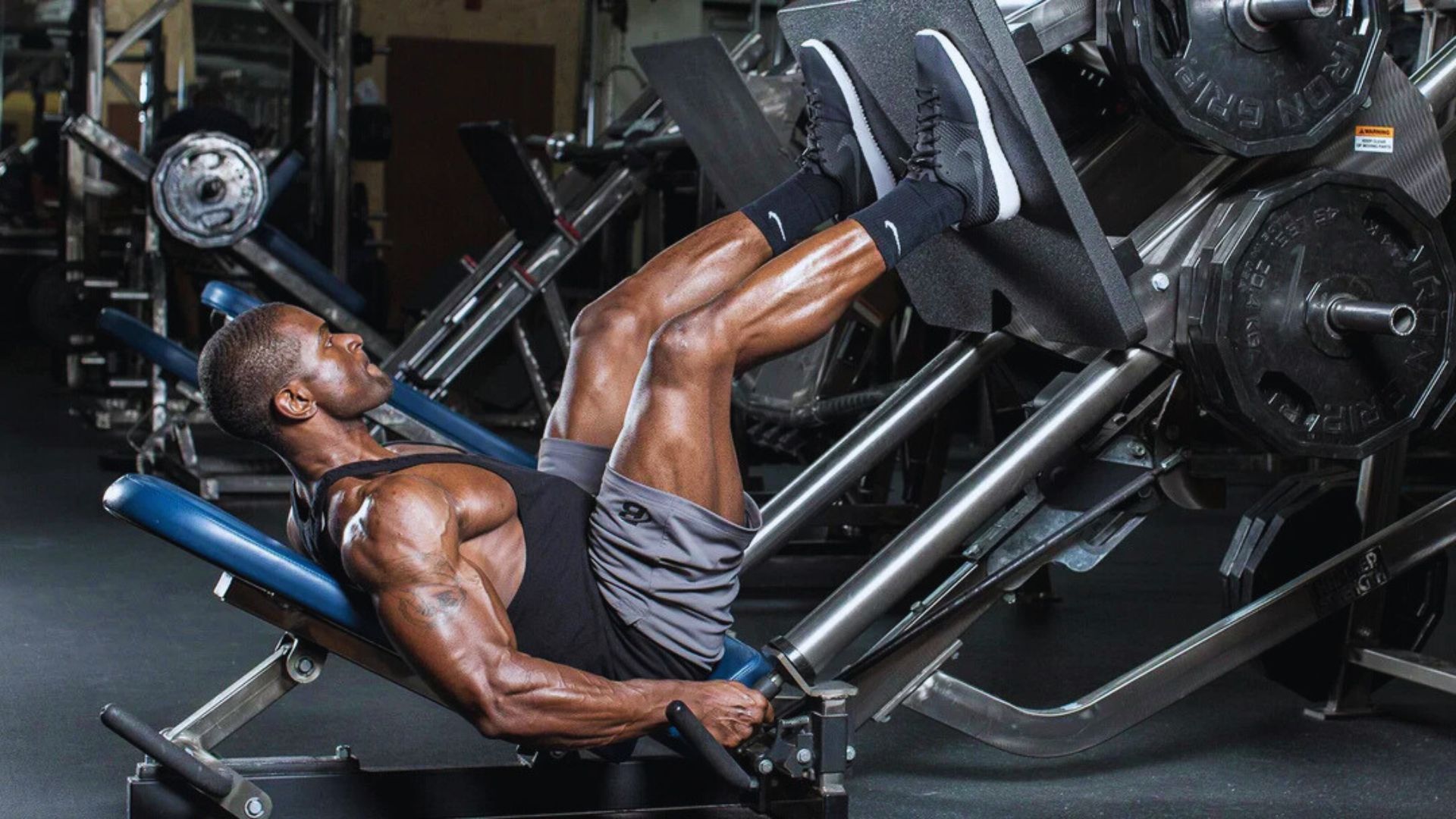
The leg press is one of the most popular compound leg machines, primarily targeting the quadriceps, glutes, and hamstrings simultaneously. You sit in a reclined seat and push a weighted platform away from your body using your legs. Foot placement changes the emphasis: a higher foot position on the platform shifts more work to the glutes and hamstrings, while a lower foot position emphasizes the quads more. Keeping your lower back pressed against the pad and avoiding locking out your knees fully at the top are the two most important form cues.
Leg Extension Machine
The leg extension is an isolation machine that targets the quadriceps almost exclusively. You sit with your legs bent at 90 degrees under a padded lever, then extend your legs to lift the weight. Because it isolates the quads without involving the hips or glutes, it’s a useful accessory movement after compound lifts like squats or leg press, though it should generally supplement rather than replace compound leg exercises, since isolation movements don’t build the same functional strength as multi-joint lifts.
Leg Curl Machine (Lying, Seated, or Standing)
Leg curl machines target the hamstrings, and come in three common variations. The lying leg curl has you face down, curling a padded lever up toward your glutes. The seated leg curl has you seated with legs extended, curling the weight down and back. The standing leg curl works one leg at a time from a standing position. All three isolate the hamstrings effectively, though many lifters find the seated version allows for a slightly better range of motion and more consistent tension throughout the movement.
Hip Abductor and Adductor Machines
These two machines target the muscles on the outer and inner thighs respectively. The hip abductor machine, where you push your legs outward against resistance, targets the outer glutes and hip muscles. The hip adductor machine, where you squeeze your legs inward against resistance, targets the inner thigh muscles. Both are commonly used for hip stability and injury prevention work, though they’re often lower priority than compound leg exercises for general strength goals.
Calf Raise Machines (Seated and Standing)
Calf raise machines isolate the calf muscles, with the standing version emphasizing the gastrocnemius (the larger, more visible calf muscle) and the seated version, performed with knees bent, emphasizing the soleus (a deeper calf muscle). Using both variations over time provides more complete calf development than relying on just one, since the bent-knee position of the seated version genuinely shifts emphasis to a different part of the muscle group.
Hack Squat Machine
The hack squat machine involves a weighted sled that you push using a squatting motion, typically from a reclined or angled position with your back supported. It targets the quads, glutes, and hamstrings similarly to a leg press but requires slightly more stabilization since your feet are positioned on a platform below rather than directly in front of you. Many lifters find it allows for a deeper, more controlled range of motion than a traditional leg press, with somewhat less strain on the lower back.
Smith Machine for Squats and Lunges
While not a dedicated leg machine, the Smith machine, a barbell fixed within vertical guide rails, is commonly used for guided squats, lunges, and split squats. It provides more stability than a free-weight squat, which can be helpful for beginners building confidence with the movement pattern, though it also restricts the natural slight forward-backward bar path of a free squat, which some lifters find less comfortable over time compared to free weight alternatives.
Building a Leg Machine Routine
A well-rounded leg day using machines might start with a compound movement like the leg press or hack squat, followed by isolation work on the leg extension and leg curl machines, and finish with calf raises and, if hip stability is a goal, abductor/adductor work. Generally, 3-4 sets of 8-12 reps per machine works well for muscle growth and general strength goals, though rep ranges can be adjusted based on specific goals like strength versus endurance.
Conclusion
Leg machines at the gym each target specific muscle groups within the lower body, and understanding what each one does makes it much easier to build a balanced, effective leg day routine. Combining compound machines like the leg press or hack squat with targeted isolation work on the extension, curl, and calf machines covers the full range of lower body muscles more comprehensively than relying on just one or two machines alone.