
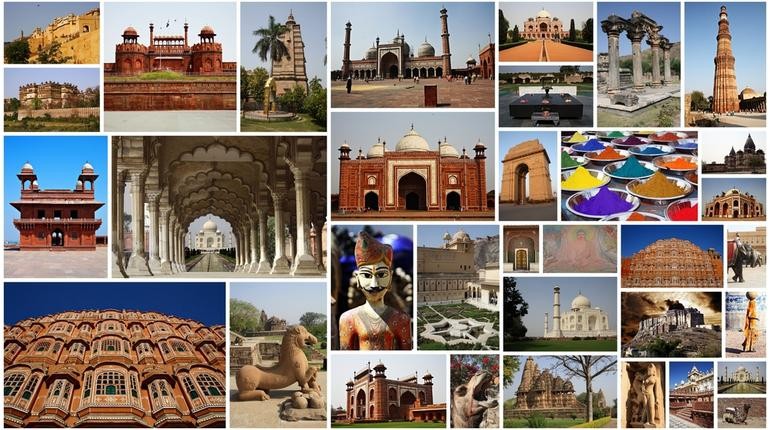
What Indocultureguide Com Likely Covers
The name indocultureguide com directly signals its focus — a platform covering Indian culture, traditions, festivals, regional customs, and likely travel guidance for visitors interested in experiencing India’s cultural diversity. Given India’s vast regional, linguistic, and religious diversity, this represents a genuinely rich subject area for dedicated coverage.
Platforms in this niche typically serve two overlapping audiences: international visitors planning travel to India who want cultural context and etiquette guidance, and readers generally interested in learning about Indian traditions, festivals, and heritage without necessarily planning a trip themselves.
Why India-Specific Cultural Content Serves a Real Need
India’s cultural landscape varies enormously by region — festivals, cuisine, dress, and customs differ significantly between states and communities, making generic “India travel” content often insufficiently specific for visitors wanting genuine cultural understanding rather than surface-level generalisations that don’t capture this diversity.
A platform specifically dedicated to cultural depth, rather than purely logistical travel information (flights, hotels, itineraries), fills a distinct role by helping readers understand the meaning and context behind what they might observe or participate in during a visit, or simply want to learn about from a distance.
What Kind of Content to Expect
A dedicated India culture platform likely covers major festivals (Diwali, Holi, Eid, and numerous regional celebrations), traditional clothing and its regional variations, culinary traditions and regional cuisine differences, religious and spiritual practices, classical and folk arts, and practical cultural etiquette guidance for visitors — appropriate dress, customs around temples and religious sites, and social norms that might differ from a visitor’s home country.
Given India’s genuine regional diversity, the most useful content in this space tends to be specific rather than generic — explaining, for instance, how a particular festival is celebrated differently across different states, rather than presenting a single generalised description that doesn’t capture this variation.
Evaluating Cultural Content for Accuracy and Respect
For any platform covering cultural and religious traditions, it’s worth checking whether content demonstrates genuine understanding and respect for the practices being described, rather than presenting them in an overly simplified, exoticised, or inaccurate way that misrepresents their actual significance to practitioners.
Content written or reviewed by people with genuine cultural connection or expertise tends to offer more accurate and respectful coverage than content assembled purely from secondary research, and checking for this kind of grounding — author backgrounds, cited local sources — is a reasonable quality indicator for this specific content category.
Practical Value for Travel Planning
For readers specifically planning travel to India, cultural guidance content works best alongside practical trip-planning resources — pairing cultural context with logistical information about specific regions, since understanding etiquette and customs matters most when paired with the practical details of an actual itinerary.
Checking any specific cultural guidance against more recent sources is also worth doing for time-sensitive information, such as specific festival dates (which often follow lunar calendars and shift annually) or any changing practical requirements for visiting particular religious or cultural sites.
Final Thoughts
Indocultureguide com’s name points to a platform covering India’s rich cultural diversity — festivals, traditions, and regional customs — serving both travellers and general readers interested in Indian heritage. Getting the most value from this kind of resource comes down to seeking out genuinely specific, regionally aware content rather than generalised overviews that don’t capture India’s substantial internal diversity.